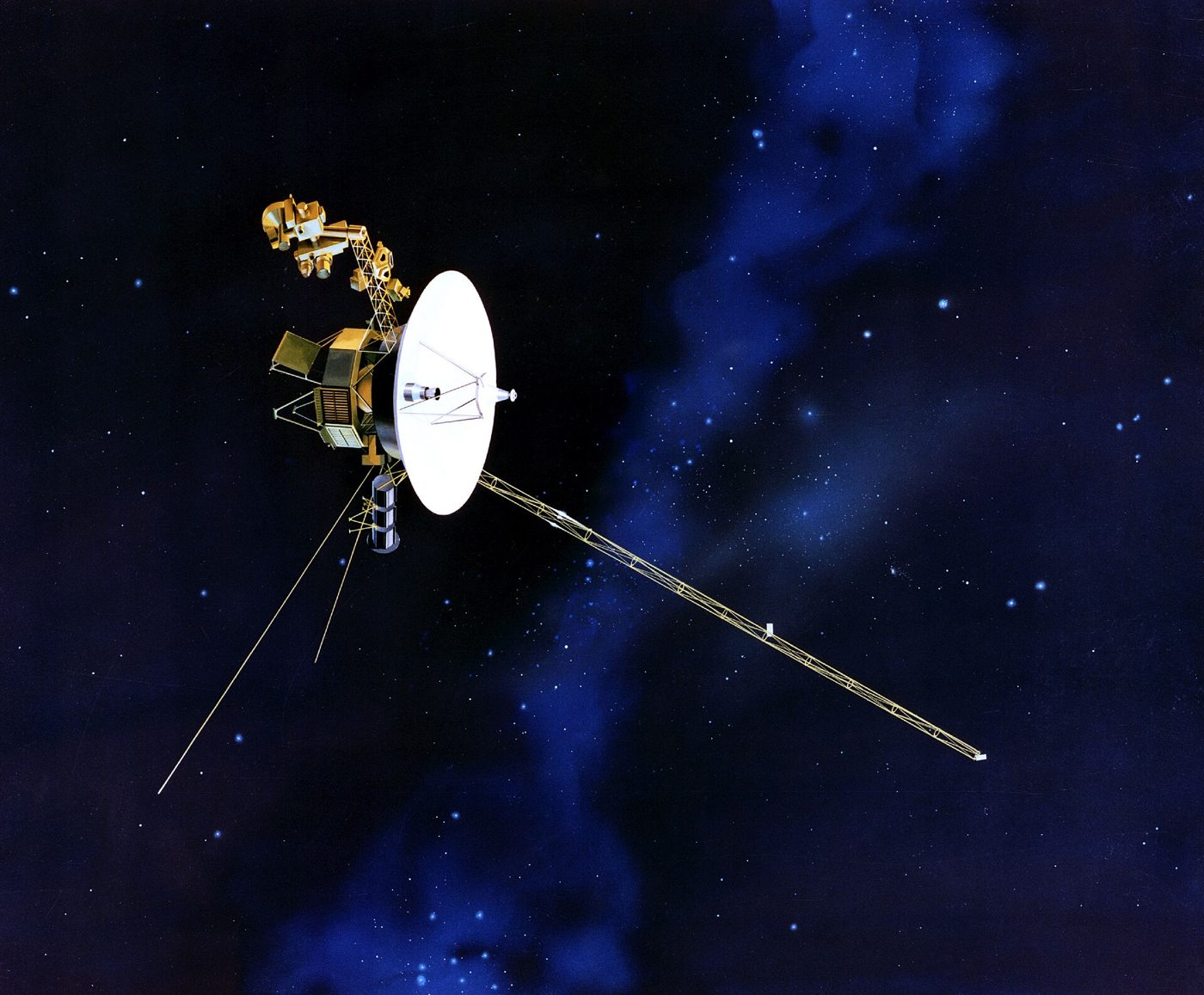
Voyager 1 reaches one light-day from Earth on 18 November 2026, about 16.09 billion miles away, so a radio signal takes 24 hours one way. NASA says nothing changes aboard; the milestone is symbolic.
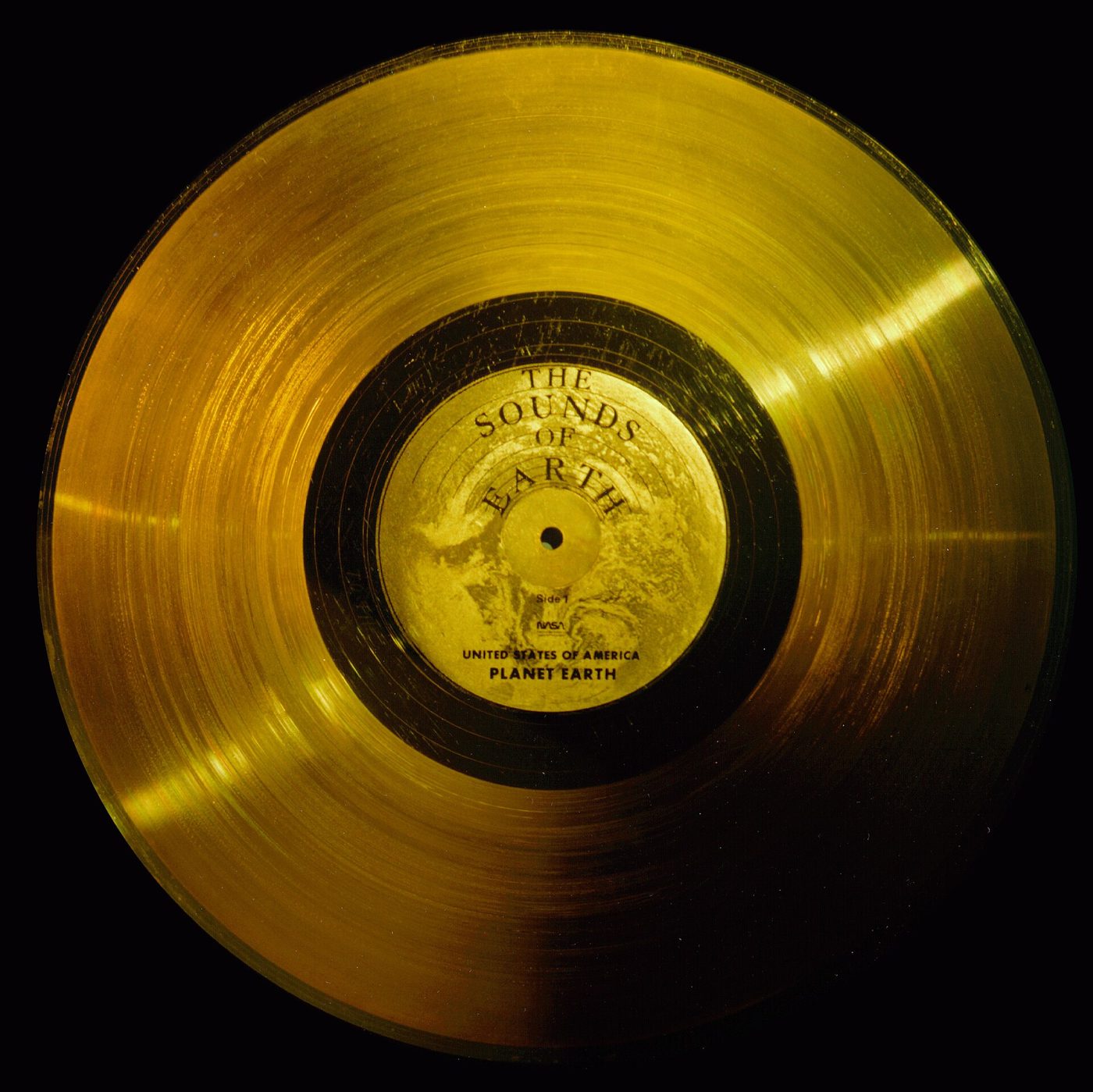
NASA's Voyager 1, the most distant human-made object, is approaching one light-day from Earth. Engineers are shutting down instruments to save power while the Golden Record keeps travelling toward the Milky Way.
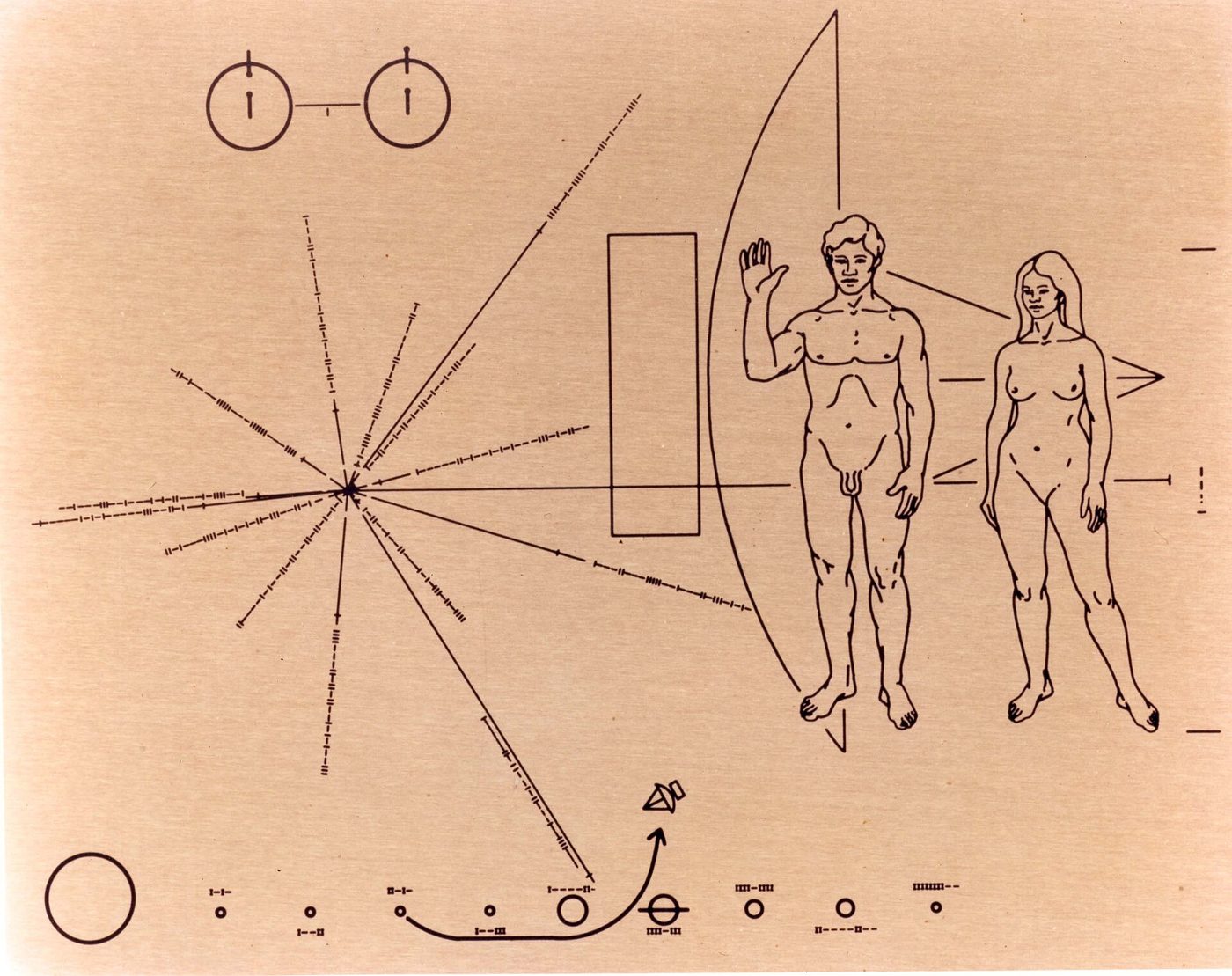
The Golden Record cover uses the physics of the hydrogen atom to explain how to play it. Voyager 1 and 2 also surveyed Jupiter, Saturn, Uranus and Neptune between 1979 and 1989.
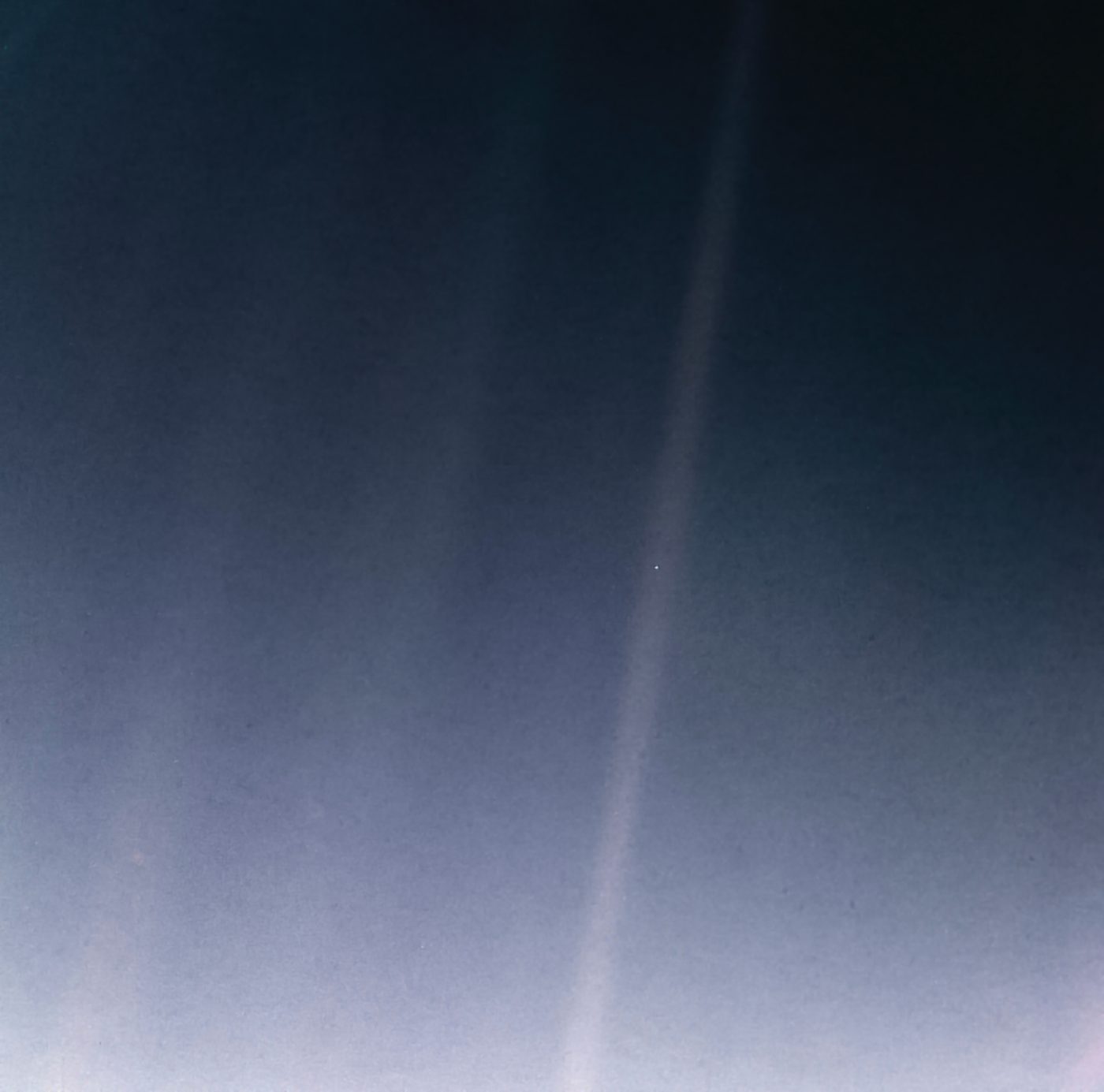
The story behind the 1990 Pale Blue Dot photograph, how the Deep Space Network talks to Voyager, the repairs that kept the probes alive, and the interstellar missions now being designed.
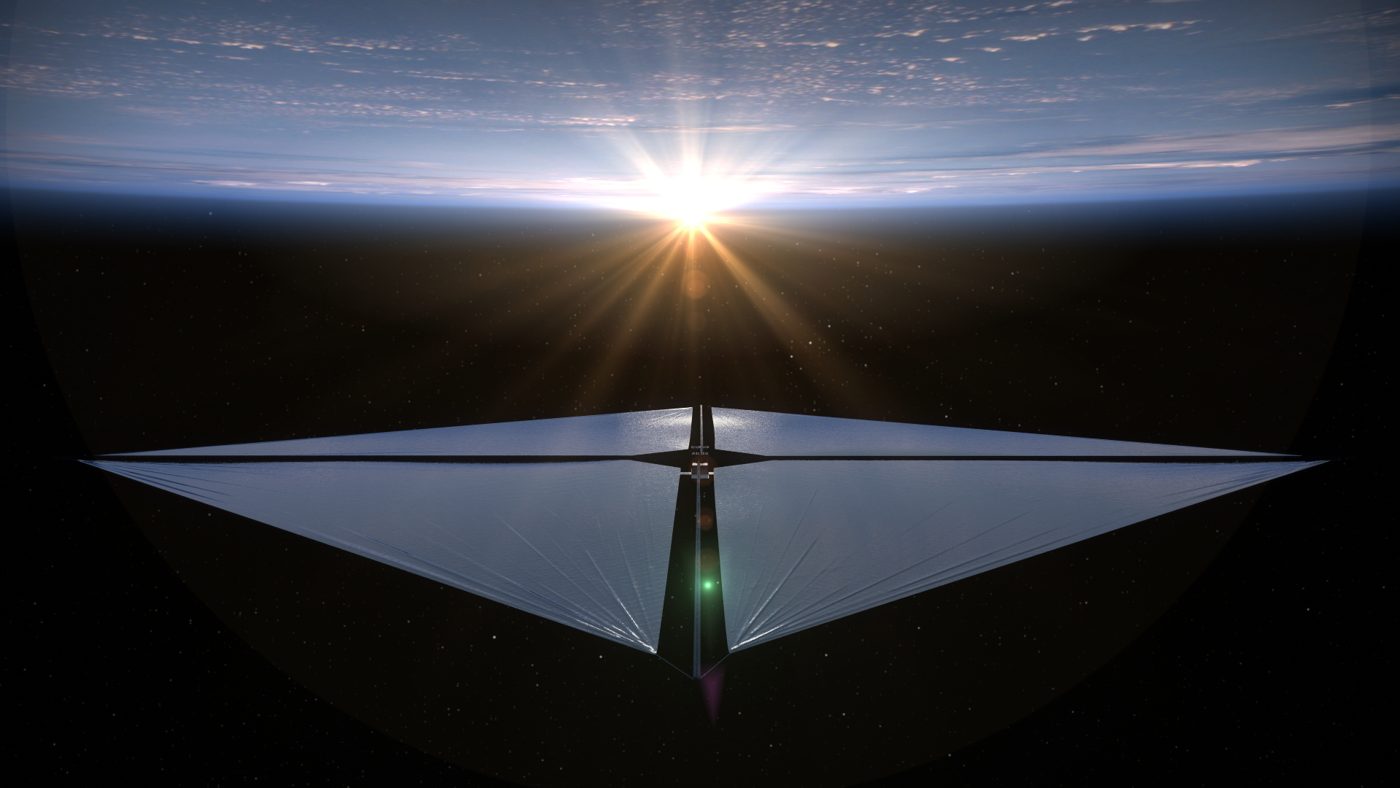
Each Voyager runs on about 70 kilobytes of memory. A Solar Gravitational Lens mission would use the Sun as a telescope, and solar sails could take it there, yet no probe will overtake Voyager 1.
How a gravity assist steals a planet's momentum, how the Pioneer Anomaly was solved, what Voyager found at the heliopause, the cosmic ray threat to crews, and the Oort Cloud ahead.
Magnetic and electrostatic shields against radiation, the Alpha Centauri system and Proxima b, nuclear and fusion propulsion, and the two ways to keep a crew alive for centuries: generation ships and cryogenic sleep.
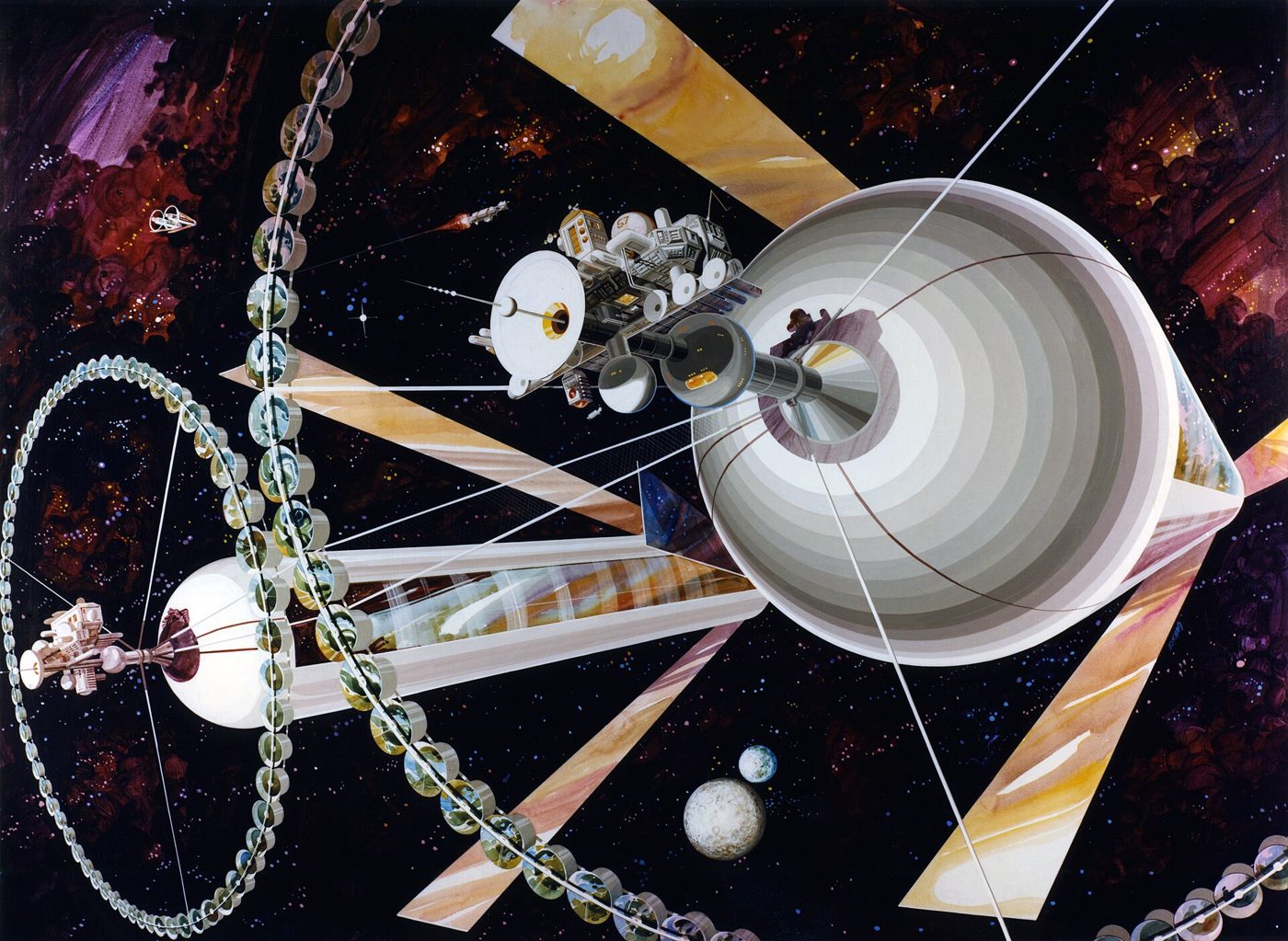
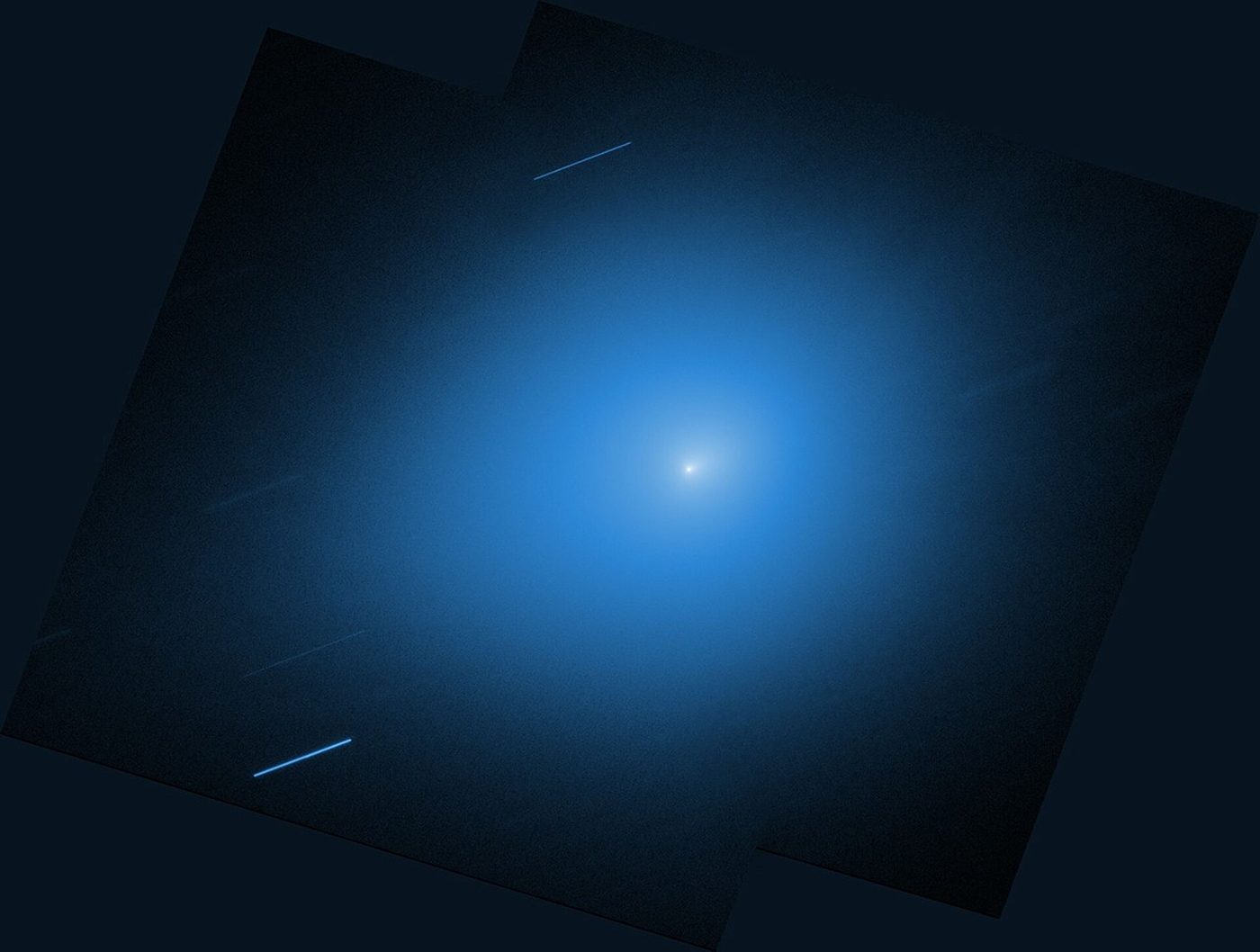
How spinning habitats make gravity, why the galaxy seems silent, the Kardashev scale, modern SETI, Project Hephaistos and the three interstellar visitors that have passed through the solar system.
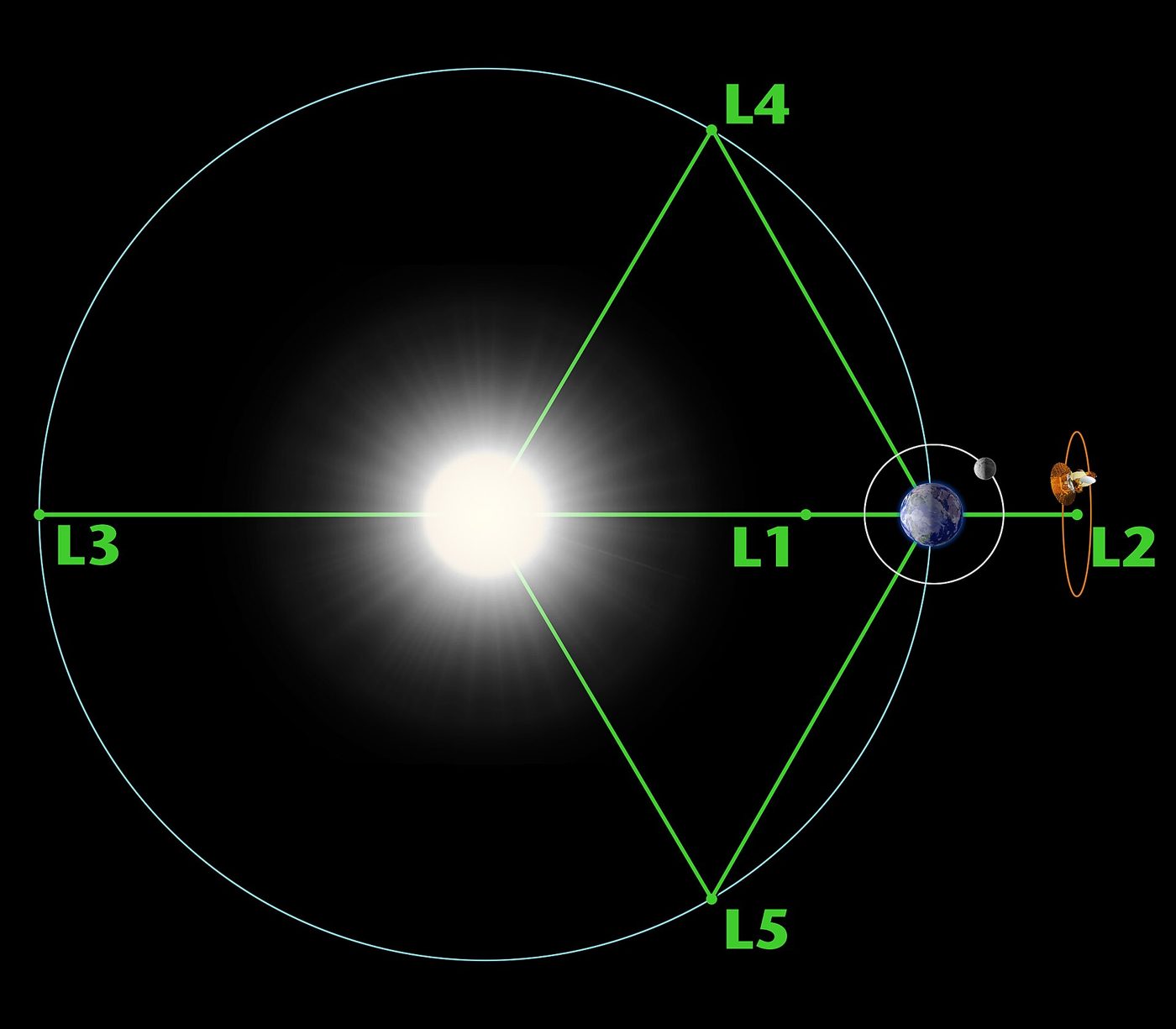
A spacecraft that waits for its target, a survey camera that spots interstellar objects early, a plan to chase 'Oumuamua, the five Lagrange points, the Oberth effect and NASA's Lucy mission to the Trojans.
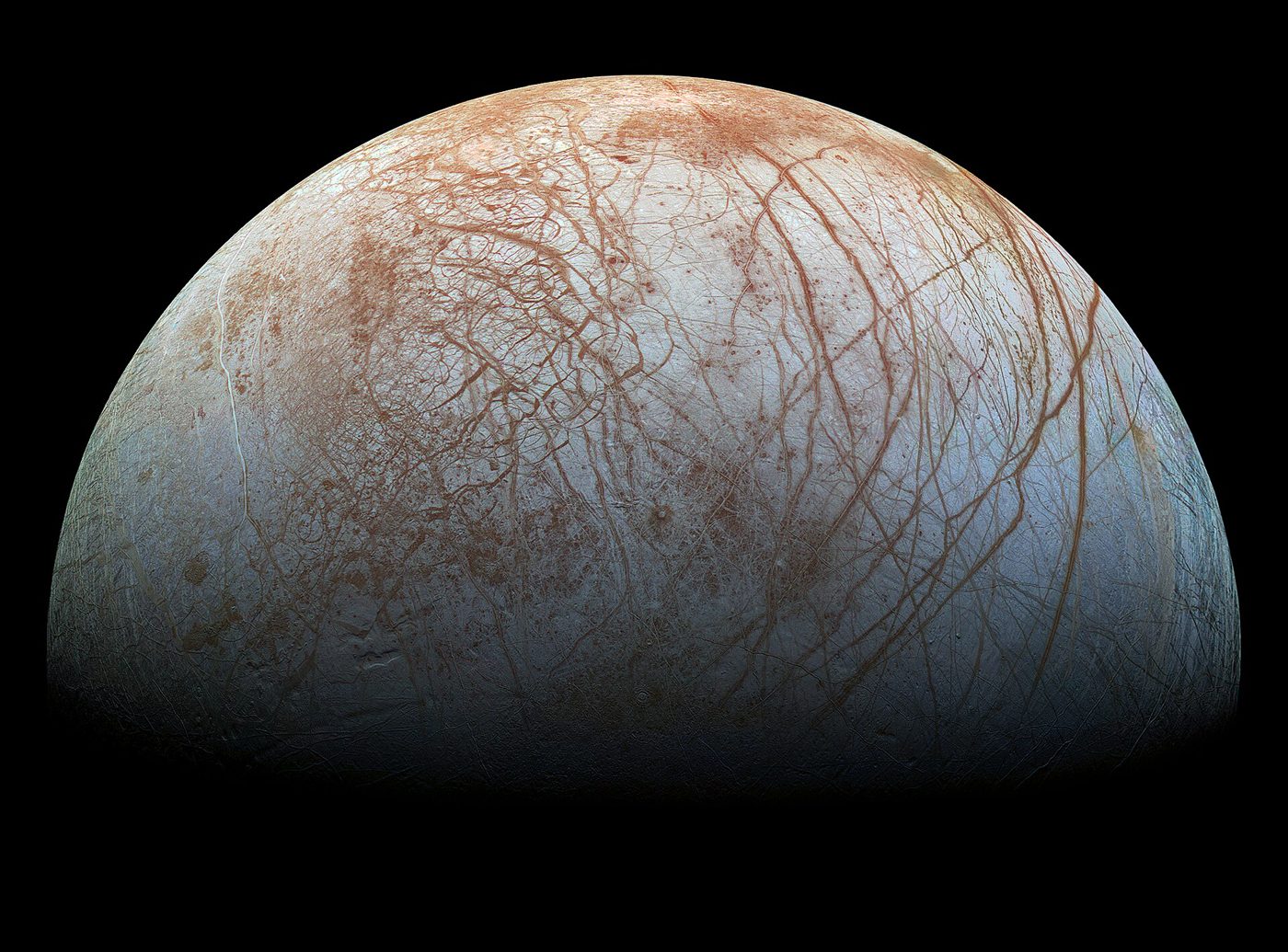
Lucy's surprise moon at Dinkinesh, the two flagship missions heading for Jupiter, tidal heating on Europa, geysers on Enceladus, Titan and Dragonfly, Lost City and the robots built to melt through the ice.
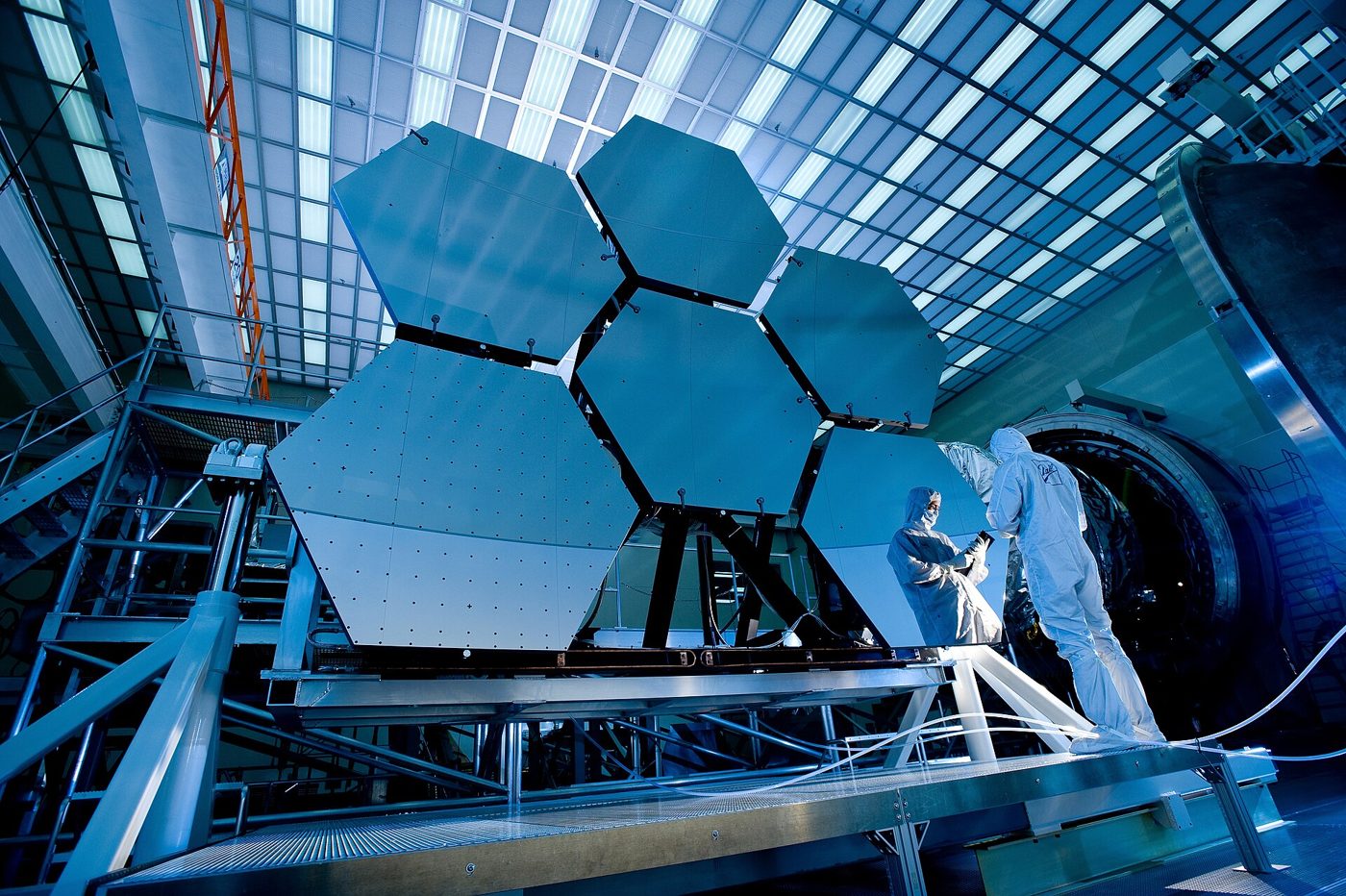
How life may have started, why complex life may be the rarest step, the toughest organisms on Earth, JWST's search for biosignatures, and the coronagraphs, giant telescopes and interferometers that come next.
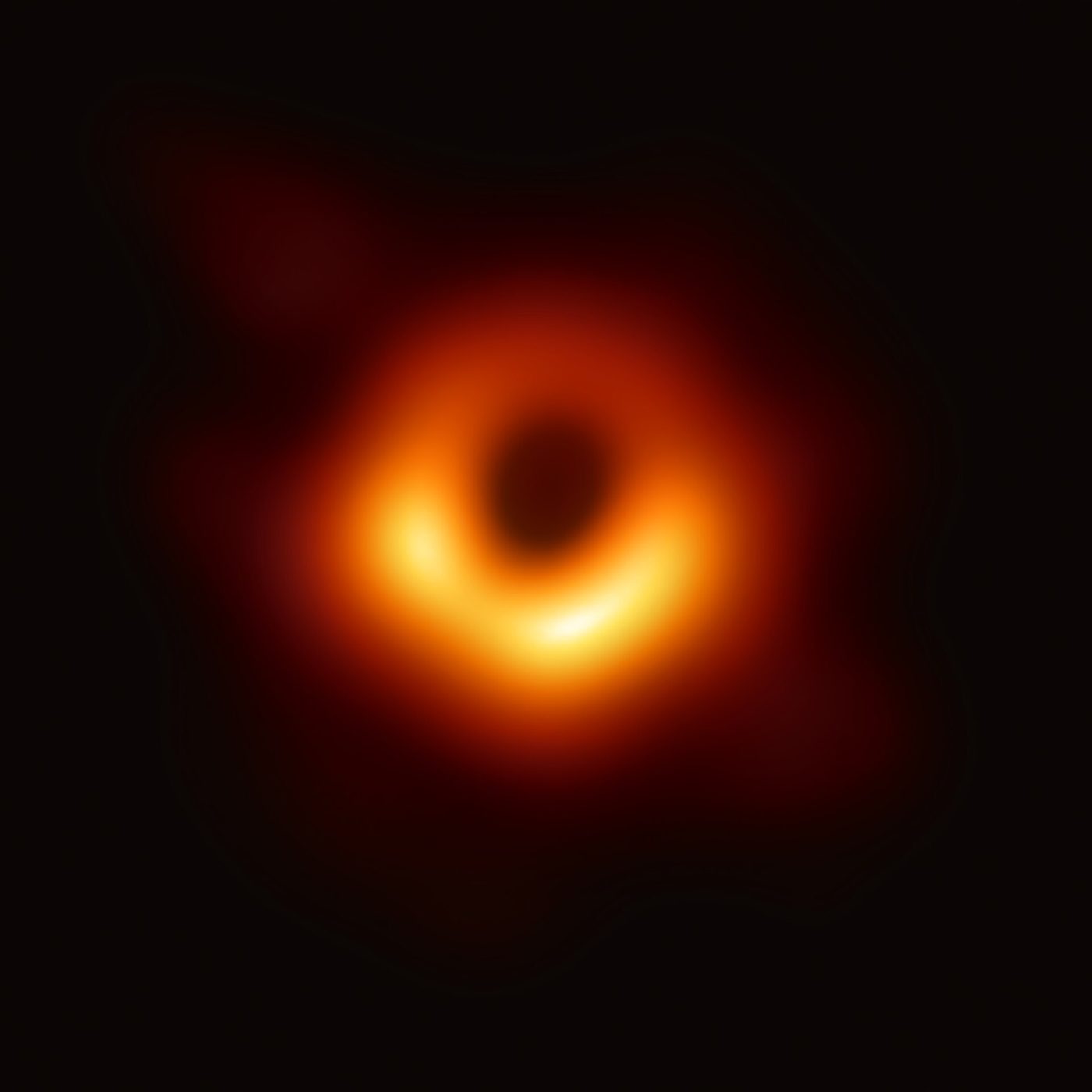
How LISA will hear black holes collide, how the Event Horizon Telescope photographed a black hole, how giant black holes formed so early, Hawking radiation, the information paradox, the holographic principle and the possible endings of the cosmos.
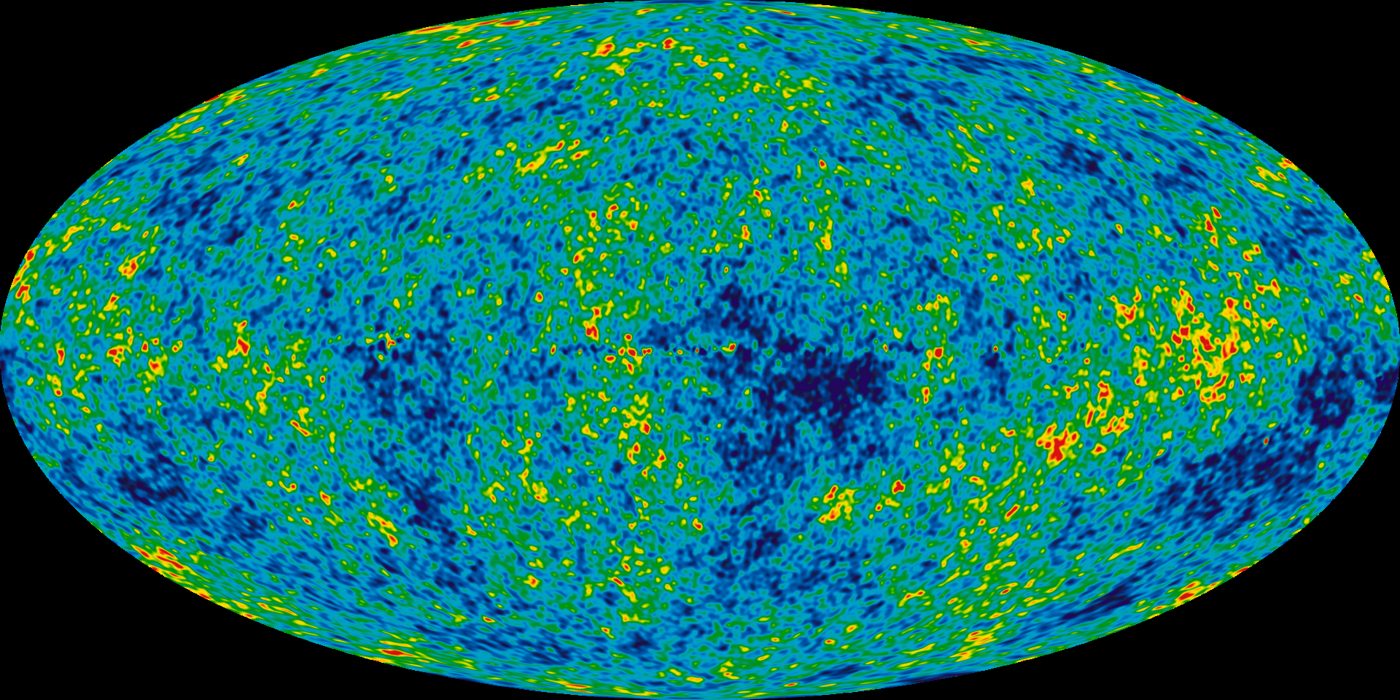
Entanglement and wormholes, cyclic universes and Penrose's Hawking points, the two main attempts at a theory of everything, and the oldest light in the universe.
The first fraction of a second, what dark matter and dark energy may be, detectors buried underground in the US and Australia, and DESI's hints that dark energy is weakening.