US hyperscale data centers emit as much greenhouse gas as Denmark, study finds
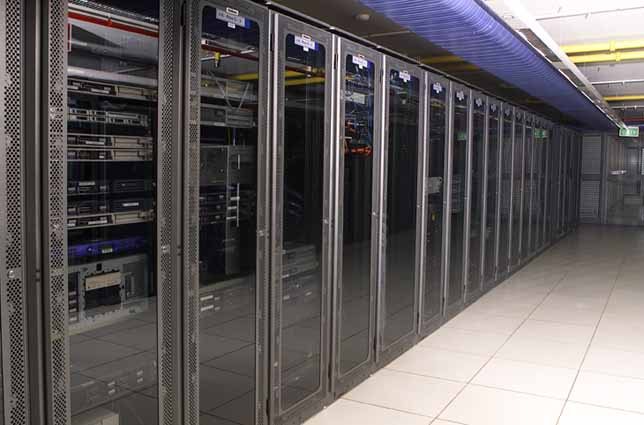
The 403 hyperscale data centers currently operating across the United States, the largest facilities underpinning the growth of cloud computing and artificial intelligence, emitted about 25.7 million metric tons of carbon dioxide in the year through April 2025, according to a peer-reviewed study led by Harvard University researchers and published in the journal Nature Sustainability on Monday.
That is roughly the entire annual carbon pollution of Denmark, a country of six million people, and about two to three times a previous estimate of hyperscale emissions from 2018. The study, which used federal government data, found the facilities were responsible for about 1.8% of total US electricity consumption, drawing an estimated 68 to 99 terawatt-hours over the year.
The researchers said the figure is almost certainly a conservative estimate, since the rapid construction of data centers has accelerated further since the study period ended. The energy demand is concentrated in states such as Virginia, Oregon, Ohio and Iowa. A co-author of the study, a Harvard professor of biostatistics, said the explosion in data centers and their substantial emissions should be treated as a lower bound and a subject for policymakers considering how to grow responsibly.
More than half of the electricity used by hyperscale facilities came from fossil fuels, the research found, with the boom underpinned by a rise in new gas-fired power, sometimes built at the sites themselves, favored over installed renewables such as solar and wind. A former White House climate adviser called the study an important step in assessing the impact of data centers.
The findings land amid a bipartisan public backlash in the United States. Local opposition has focused on developments such as a cluster of data centers in the greater Memphis, Tennessee region, which have faced protests and lawsuits over noise and air pollution, and on one of the world's largest planned facilities in drought-hit Utah, which a separate study found could cause health-related economic costs of up to $690 million a year if powered by the dirtiest fossil fuel options, releasing up to 3,140 tons of particulate matter linked to cardiovascular and respiratory problems. Developers have defended the industry's energy and water use as marginal compared with sectors such as agriculture, citing jobs and local tax revenue.